
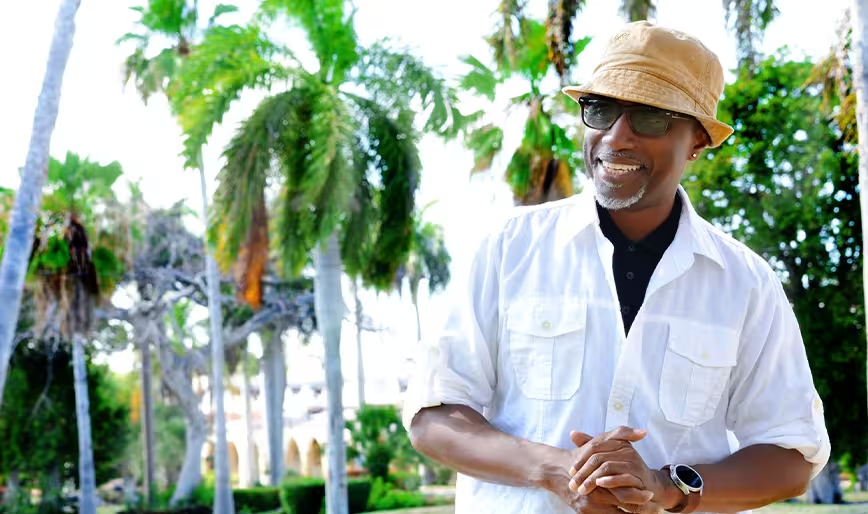
The Art of Bahamian-Style Storytelling
Storytelling has had the power to connect, inspire, and transform communities since the beginning of time.
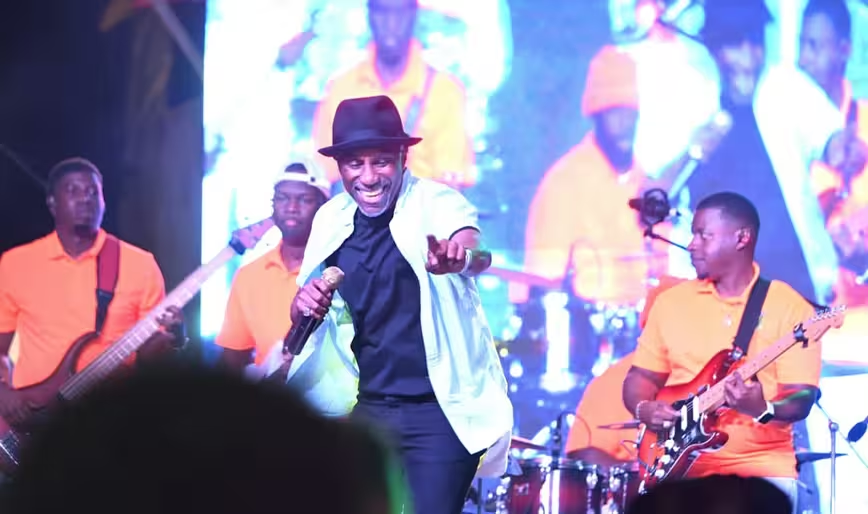
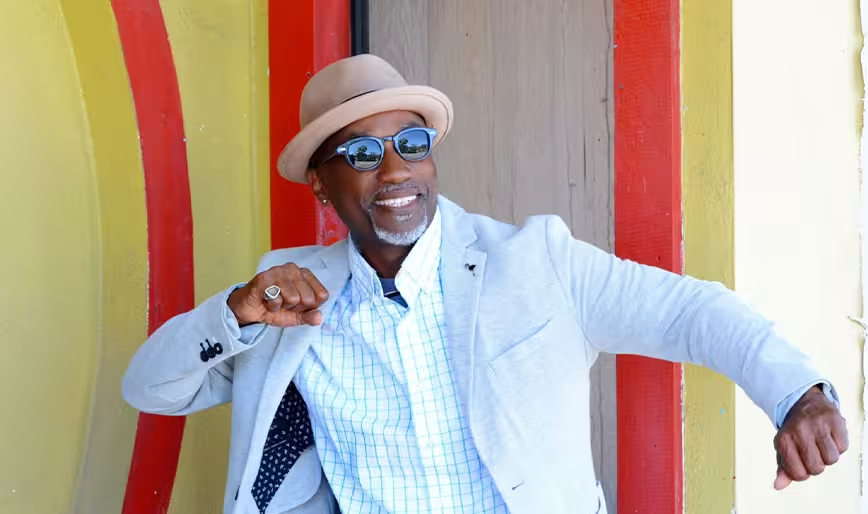
But Kirkland Bodie, an energetic 60-something Bahamian musician known more colloquially as “K.B.,” has put his own uniquely Bahamian spin on the art of the story. With a natural curiosity, passion for wordsmithing, and talent for expressing the soul of his country, Bodie stays young by spreading joy and connecting to the social fabric of his home. He is a cultural icon and widely regarded as the country’s best storyteller.
He was musical and observant from an early age and developed a knack for turning the rhythms of this land into compelling, amusing tales. Born in Nassau, he moved to Florida then returned to Eight Mile Rock in Grand Bahama, where he still lives today. “I lived in the bush, shooting birds and catching fish,” he says.
Storytelling has always been an integral part of Bahamian culture, so Bodie’s style is popular, and today he has almost 9,000 followers on Facebook. “The storytelling comes from Jamaica, Trinidad, and of course, our African heritage… we’ve heard other countries’ stories, and we wanted to create our own.”
So, what exactly are the elements of a “good” story? “It moves me. Pricks the emotions. Revelations from the Bible. Anything that makes me think,”Bodie says.
He’s had many inspirations. “There’s a book called Eye in the Sun that influenced me hard. Ronnie Butler, Bob Dylan, Neil Diamond, …. All those guys were great storytellers and big inspirations to me,” he says.
Bodie enjoys asking introspective questions that give depth to otherwise lighthearted and funny material taken from island life. “I took universal themes and put them to Bahamian settings. I want people to smile and laugh but also see the human lesson. I get messages from people all over the world who are impacted by my music, so I must be doing something right.”
But it’s not all one big fiesta for the singer-songwriter. Bodie has been a vocal advocate for several political issues over the years and even went up against the government. “We have junkanoo, rake n’ scrape, plenty of our own traditions. I didn’t see the point of investing government money promoting the festivals of other countries, such as Carnival,” he says.
The NGO Save the Bays hired Bodie to write music to help pressure the government to clean up oil spills, and he’s outspoken about the growing gap between the rich and the poor.
“People would rather hear a nice ‘diddy’ than hear you preaching at them,” he says. Bodie describes the very real class tensions in The Bahamas in a humorous and easy to understand way. “I speak about everything – marriage, homosexuality, social issues, hypocrisy.”
So, what does he want policymakers to learn from his music? “Take care of their people. Stop taking care of the rich. If you can build from the bottom up, we’ll have a much better country. Of course, it’s not that simple. But you have these politicians who only care about themselves and their friends.

He adds, “I wish I could just keep my mouth shut, but I’ve never been able to do that.”
Ultimately, Bodie is committed to showcasing the beauty of Bahamian culture through his stories.
“Bahamians are beautiful people. Warm. Funny. The biggest so-called ‘problems’ we have are sweetheartin’ and materialism… if you even want to call these ‘problems.’ I look at the bad and try to poke fun, like my song ‘Bahamian Sweetheartin’ 101’ … usually the woman is the hero, and the man is acting like a fool.”
He adds, “I learned storytelling from the community, not my family. I was always a sponge. YouTube and the internet has been like a godsend for me. I educate myself on anything.”
He says that studying human psychology has also helped him become a better storyteller.
His advice for keeping the art of storytelling alive in the Bahamas?
“Invest in culture.
00 Comment
Leave a comment