
Long before the first rays of sunlight paint the Bahamian horizon, the silence is broken by the rumble of outboard engines. Spear fishermen check their gear one last time, salt hangs in the air, and the sea - quiet for months under the protection of the closed season - beckons once again.
Across the islands, the opening of lobster season is more than the return of a prized catch. It is the renewal of a tradition that feeds families, sustains livelihoods, inspires chefs, and reminds Bahamians that some of our greatest treasures are worth waiting, and caring for.
For four months, from April 1 to July 31, the Caribbean spiny lobster has been given time to breed, grow and replenish in Bahamian waters. Then, as midnight gives way to August 1, anticipation turns into action. Boats leave docks before dawn, processors prepare for deliveries, restaurants await the season's first catch, and families look forward to sharing one of the country's most beloved delicacies.
It is a ritual that has endured for generations.
"Lobster is a vital part of the Bahamian lifeline," says Felicity M. Burrows, Senior Fisheries Specialist with The Nature Conservancy's Global Coastal Fisheries Team.
"For generations, spiny lobster has been a part of the Bahamian cultural heritage and way of life. It is the most valuable commercially harvested marine resource in The Bahamas, generating millions of dollars through exports and local sales that contribute to our national economy."
That impact stretches far beyond the sea.
Thousands of Bahamians depend on the industry - from fishermen and processors to exporters, seafood vendors, and restaurant owners.
Yet the excitement surrounding opening day is possible only because of the months of restraint that come before it.
Burrows explains that the annual closed season is one of the most important conservation tools protecting the future of the fishery. By allowing lobsters to reproduce undisturbed, healthy populations can replenish themselves naturally, ensuring seafood supplies are sustained and the livelihoods that depend on them are secured.
Without those protections, she warns, overexploitation would threaten not only the species but an entire industry that supports communities throughout The Bahamas.
The country's commitment to responsible fisheries management has earned international recognition. Through size limits, seasonal closures, gear restrictions, and strong collaboration among government agencies, conservation organizations and fishermen, The Bahamas became the first Caribbean nation in 2018 to achieve Marine Stewardship Council certification for its spiny lobster fishery - a global benchmark for sustainable seafood.
"Long-term sustainability depends on continued collaboration, responsible fishing practices, sound management, and ongoing support from the Bahamian community," Burrows says. "If we want Bahamians to continue benefiting from this valuable marine resource, we all have a role to play."
That shared responsibility extends beyond the docks and onto the nation's dining tables.
For Chef Simeon Hall, lobster season is not simply about preparing another signature dish.
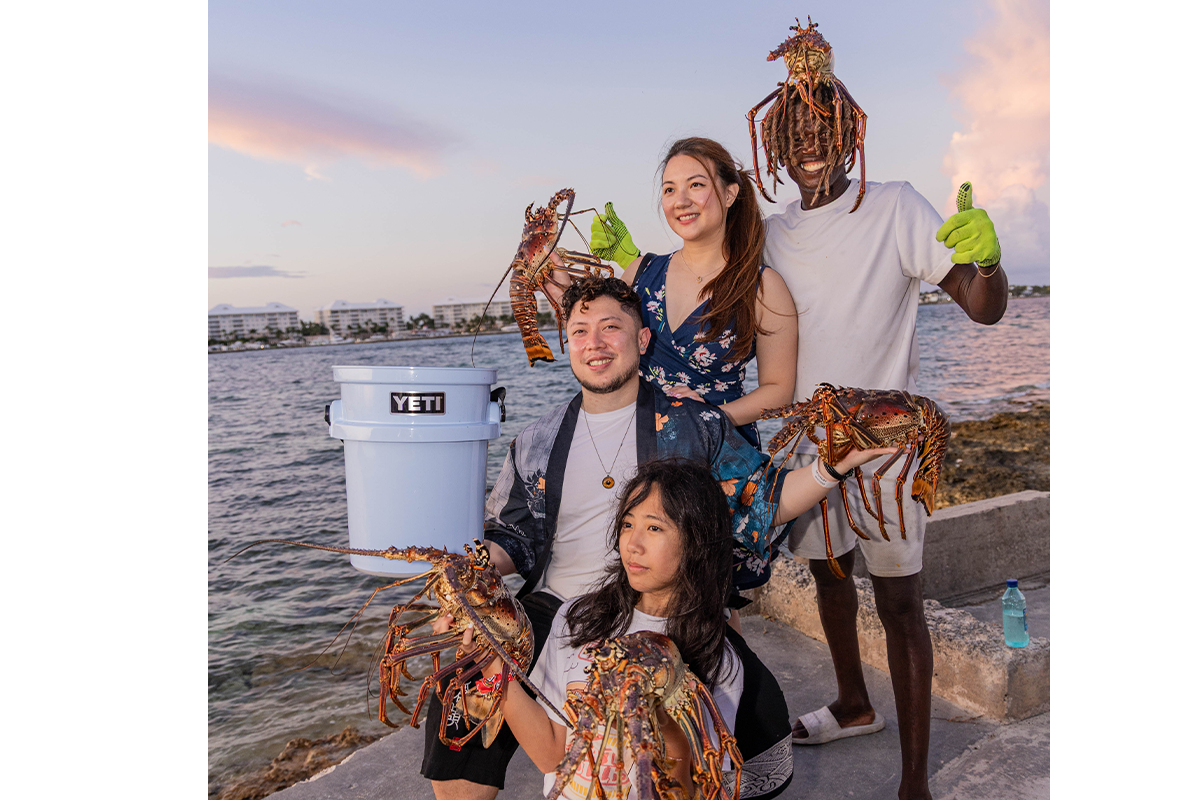
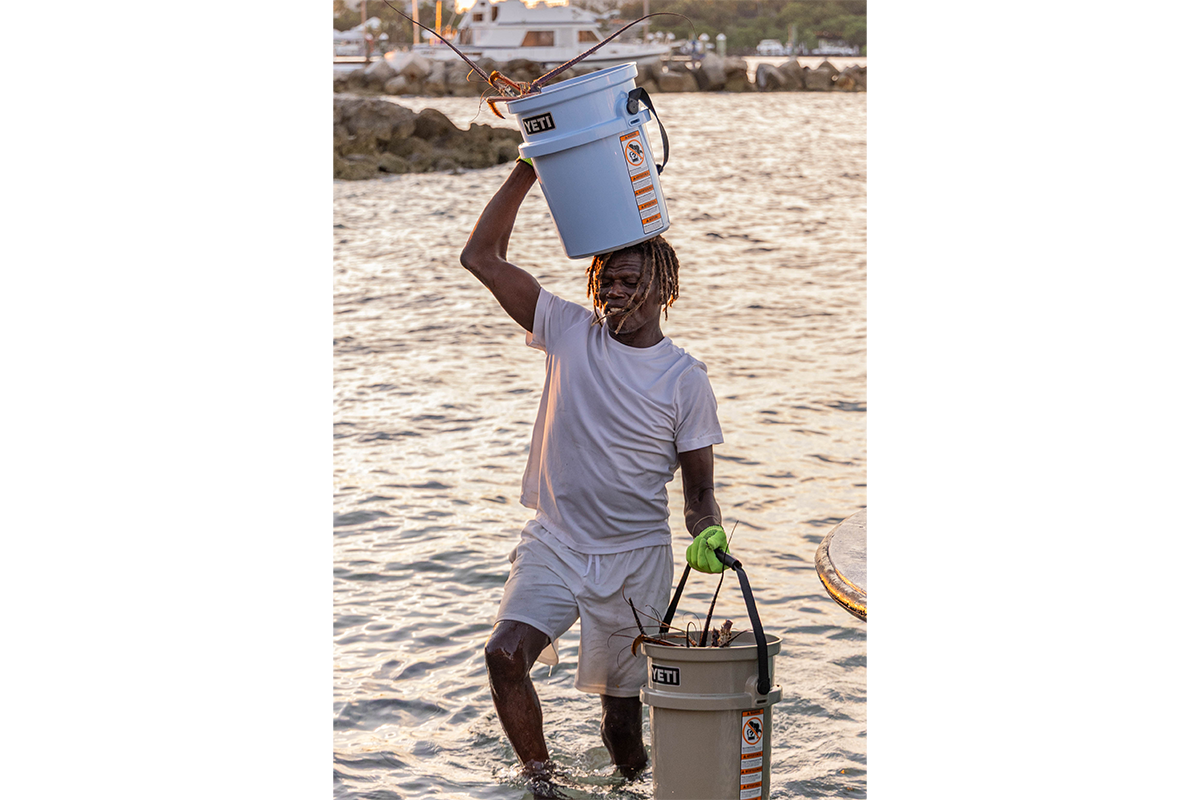
"For Bahamians, lobster season is really a celebration of place," Hall says. "It marks, for so many, a return to our waters, our traditions, and the communities that have depended on the sea for generations.
Fresh, in-season Bahamian lobster, he says, needs little embellishment.
"When the product is this exceptional, simple preparations allow the lobster and the clean flavors of The Bahamas to shine."
Hall believes respecting the ingredient also means respecting every part of it. Beyond the prized tail, he highlights the rich flavors found in the head and the coral/roe, using them to create broths, sauces, and rice dishes while exploring preservation techniques that reduce waste and extend the harvest well beyond the season.
"That's the kind of creativity that respects the ingredient instead of wasting it," he says.
For Hall, every plate carries a story.
"Every lobster served tells the story of our fishermen, our islands and the relationship we have with one of the richest marine environments in the world."
That story has become increasingly important as the industry navigates rising operating costs and changing global trade conditions.
National Fisheries Association Secretary Paul Maillis says fishermen are facing mounting expenses, particularly for fuel, while hoping export markets remain strong during the new season. Although tourism continues to support local seafood demand, lobster remains heavily dependent on exports because domestic consumption alone cannot absorb the country's annual harvest.
Recognizing the industry's importance, Minister of Agriculture and Marine Resources Jomo Campbell says the Government is working to protect Bahamian seafood exports by seeking a lower U.S. tariff rate, following amendments to the Customs Management Act that prohibit imports produced with forced labor.

Despite today's challenges, the outlook for the resource itself remains encouraging.
Healthy lobster stocks, years of responsible management, and a shared commitment to conservation continue to position The Bahamas among the Caribbean's leading producers of spiny lobster.
As another season begins, Burrows has one final message.
"I encourage all fishers to prioritize safety while out to sea, as every life is invaluable, and to fish responsibly by complying with fisheries regulations. I also urge consumers to support legally harvested lobsters.
Perhaps that is the greatest lesson of lobster season.
It is not simply about the first catch or the first meal. It is about patience before abundance. Stewardship before celebration. A shared understanding that the traditions defining The Bahamas today can endure tomorrow only if they are protected today.
Every August, as boats disappear over the horizon before sunrise and the aroma of fresh lobster begins to drift from kitchens across the islands, Bahamians are reminded that some rituals nourish far more than an appetite. They nourish a nation.
"Lobster season is more than a celebration of food; it is a celebration of our identity, our waters, and the generations of Bahamians whose lives are intertwined with the sea. To respect the harvest is to protect the traditions and flavors that define us."
— Chef Simeon Hall